



Volume 08
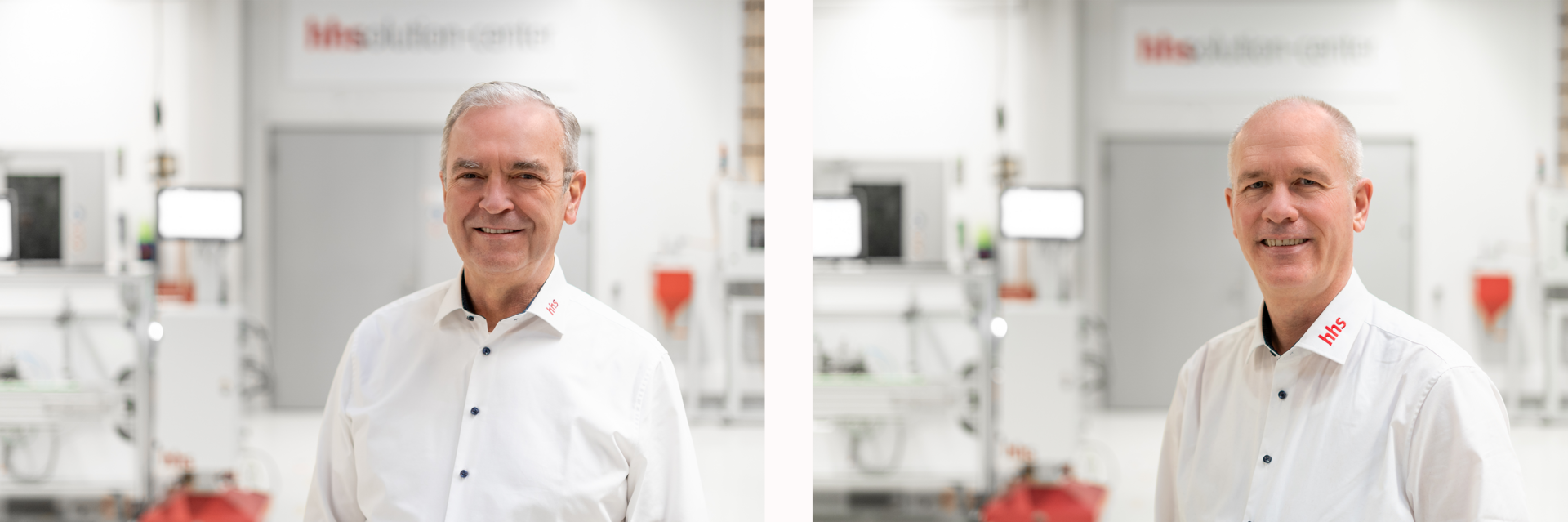
The new EU Packaging and Packaging Waste Regulation (PPWR) will become binding in 2026 and will bring far-reaching changes for the packaging industry. Among other things, it calls for packaging minimization, high recyclability, and a consistent focus on the circular economy. In this interview, Percy Dengler (Managing Director, Baumer hhs) and Thomas Walther (Corporate Strategy & Innovation, Baumer hhs) talk to Florian Lemke (Digital Content Manager) about the specific impact the regulation will have on companies, where opportunities for innovation and efficiency lie, and what role process stability, precise adhesive application, and industry initiatives such as 4evergreen alliance play in this context.
Florian Lemke: Mr. Walther, the Packaging and Packaging Waste Regulation takes effect in 2026. What specific changes do you see ahead for the packaging industry?
Thomas Walther: The PPWR harmonizes rules for packaging across Europe for the first time. It mandates packaging minimisation, high-level recyclability and clear verification of circularity. Under this regulation, sustainability is no longer just a goal; it’s a legally binding requirement. In practice, it means we have to rethink design, materials and process stability, and ensure that they are reliably documented.
Florian Lemke: Many companies consider the new requirements to be a burden. Do you see any opportunities from the new regulation?
Thomas Walther: Yes, absolutely! The PPWR is not just a set of restrictions; it also drives innovation. By stabilising processes and using materials more strategically, businesses can reduce waste and cut costs. The focus shifts from recycling alone, to include efficiency, plannability and quality assurance. Sustainability and cost-efficiency can go hand-in-hand.
Florian Lemke: The regulation calls for a reduction in packaging. What are the limits of minimisation?
Thomas Walther: The PPWR is very specific in this regard. Annex IV states that packaging must ensure protection of a product throughout its entire life cycle, from packaging or filling until its end use. Minimisation must not lead to product damage or loss of value. In other words, the emphasis is not on, “as little as possible”, but on “as as much as necessary” to fulfil its function.
Percy Dengler: This is where the connection to process stability comes in. Poorly glued joints can cause waste along the entire supply chain. Often the damage goes undiscovered until a late stage, when it can have a significant impact on cost. This is why we concentrate on precise, controlled adhesive application and continuous quality monitoring.
Florian Lemke: Adhesives are often viewed critically when it comes to recycling. What is your view?
Thomas Walther: The adhesives themselves don’t get recycled, but it’s important that they don’t impair the paper recycling process in any way. The industry has made great progress in this area in recent years. Hot melt adhesives can be reliably removed by screening; cold glues are water-dispersible. Once again, the principle of minimisation is the determinant: use only as much as necessary to preserve function.
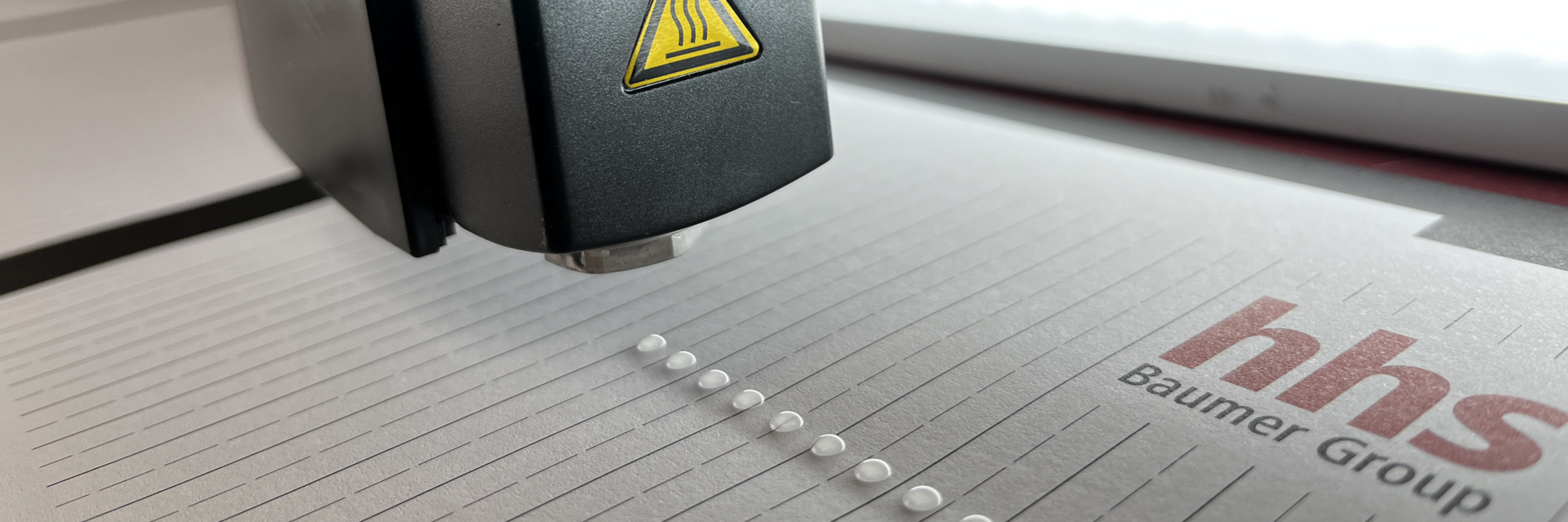
Percy Dengler: We can significantly reduce adhesive use with precision application methods, such as dotting. Instead of a continuous bead of glue, a row of dots is applied. This slashes material consumption almost in half, without compromising on stability, as confirmed in tests conducted by independent institutes. What is more, less adhesive improves the recycling score.
Florian Lemke: How do you ensure consistent quality throughout the life cycle?
Percy Dengler: We take a preventive approach. We don’t just detect errors; we prevent them from the outset. Modern applicators reduce gluing errors, monitoring systems prevent defective packaging from reaching the shipping phase. This eliminates chain reactions in downstream processes.
Florian Lemke: Mr. Walther, you are active in the 4evergreen alliance initiative. What role does this platform play in the context of the PPWR?
Thomas Walther: 4evergreen is of central importance to the industry. Companies along the entire value change work together in this organisation to develop practical, science-backed solutions for fibre-based packaging.
The initiative provides effective tools like the Recyclability Evaluation Protocol, the Circularity by Design Guideline and the Guidance on Collection and Sorting. These guides support each phase of the packaging life cycle, from design to waste sorting.
In addition, the results are used in standardisation processes. I personally am involved in the standardisation workstream, which provides input for the CEN process. Our work is an important basis for the delegated acts of the PPWR. It ensures that regulatory requirements are defined to be technically feasible and practical for the industry.
Florian Lemke: All things considered, do you see the PPWR as more of a regulatory burden or a strategic lever?
Thomas Walther: It’s both, but more of a lever. It forces companies to have absolute control over their processes. Companies that do, reap multiple benefits: less material use, less waste, higher recyclability and stable production flows. They start promoting sustainability not as an isolated parameter, but as the result of technical excellence.
Percy Dengler: Many of these steps have a double or triple effect. Less adhesive improves the recycling score and lowers material costs. Higher process stability reduces waste, energy consumption and downtime. The combined effects are what make the difference.
Florian Lemke: In conclusion, it appears that the PPWR is triggering fundamental change in the packaging industry. But it is also creating opportunities for innovation, process optimisation and resource efficiency. Initiatives like 4evergreen show how standardisation, technology and regulatory requirements can work together. Companies that consider packaging function along with recyclability and process stability can improve both sustainability and cost-efficiency.
Percy Dengler: Precisely!
Florian Lemke: Thank you both for the insightful conversation.